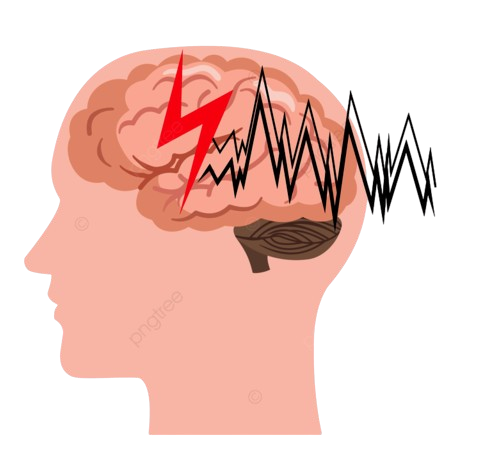
- Types of seizures: There are many types of seizures, ranging from mild and barely noticeable to severe convulsions. They can be categorized into focal (partial) seizures, which start in one area of the brain, and generalized seizures, which involve both sides of the brain.
- Causes: Epilepsy can have various causes, including genetic factors, head trauma, brain conditions (like stroke or tumors), infections (such as meningitis), prenatal injury, and developmental disorders.
- Diagnosis: Diagnosis typically involves a thorough medical history, neurological examination, and often EEG (electroencephalogram) testing to monitor brain activity during a seizure.
- Treatment: Treatment for epilepsy usually involves medications to control seizures. In some cases, surgery may be considered to remove the area of the brain where seizures begin. Other treatments such as ketogenic diet or nerve stimulation devices may also be used.
Epilepsy is a neurological disorder characterized by recurrent seizures. Seizures happen due to sudden bursts of electrical activity in the brain, which can cause a variety of symptoms depending on the type of seizure and the area of the brain affected.
- Living with epilepsy: People with epilepsy can lead normal lives with proper management. This includes taking medications as prescribed, getting enough sleep, managing stress, and avoiding seizure triggers if identified.
- Impact on daily life: Epilepsy can vary widely in its impact on daily activities. For some individuals, seizures may be well-controlled with medication and have minimal impact. Others may experience frequent seizures that disrupt daily routines, work, and social activities.
- Epilepsy and stigma: Unfortunately, there can be stigma associated with epilepsy due to misunderstandings about the condition. Education and awareness efforts are important in combating stigma and promoting understanding.
- Epilepsy and stigma: Unfortunately, there can be stigma associated with epilepsy due to misunderstandings about the condition. Education and awareness efforts are important in combating stigma and promoting understanding.
- Emergencies and first aid: Knowing how to respond to someone having a seizure is crucial. Simple first aid measures such as ensuring a safe environment, gently guiding the person to the ground if they are standing, and timing the seizure duration can be important for medical professionals to know
- Epilepsy and pregnancy Managing epilepsy during pregnancy requires careful consideration of medication choices, as some antiepileptic drugs can pose risks to the developing fetus. Close monitoring and collaboration between obstetricians and neurologists are essential for the well-being of both mother and child.